Logo
  • About
  • Contact
Logo
BehanceLinkedIn
Mental Health App for Slovenia’s Youth

Mental Health App for Slovenia’s Youth

← PREVIOUS

→ NEXT PROJECT

Mental Health App for Slovenia’s Youth

This project focused on designing a mobile app for mental health in Slovenia as part of my Master’s thesis:
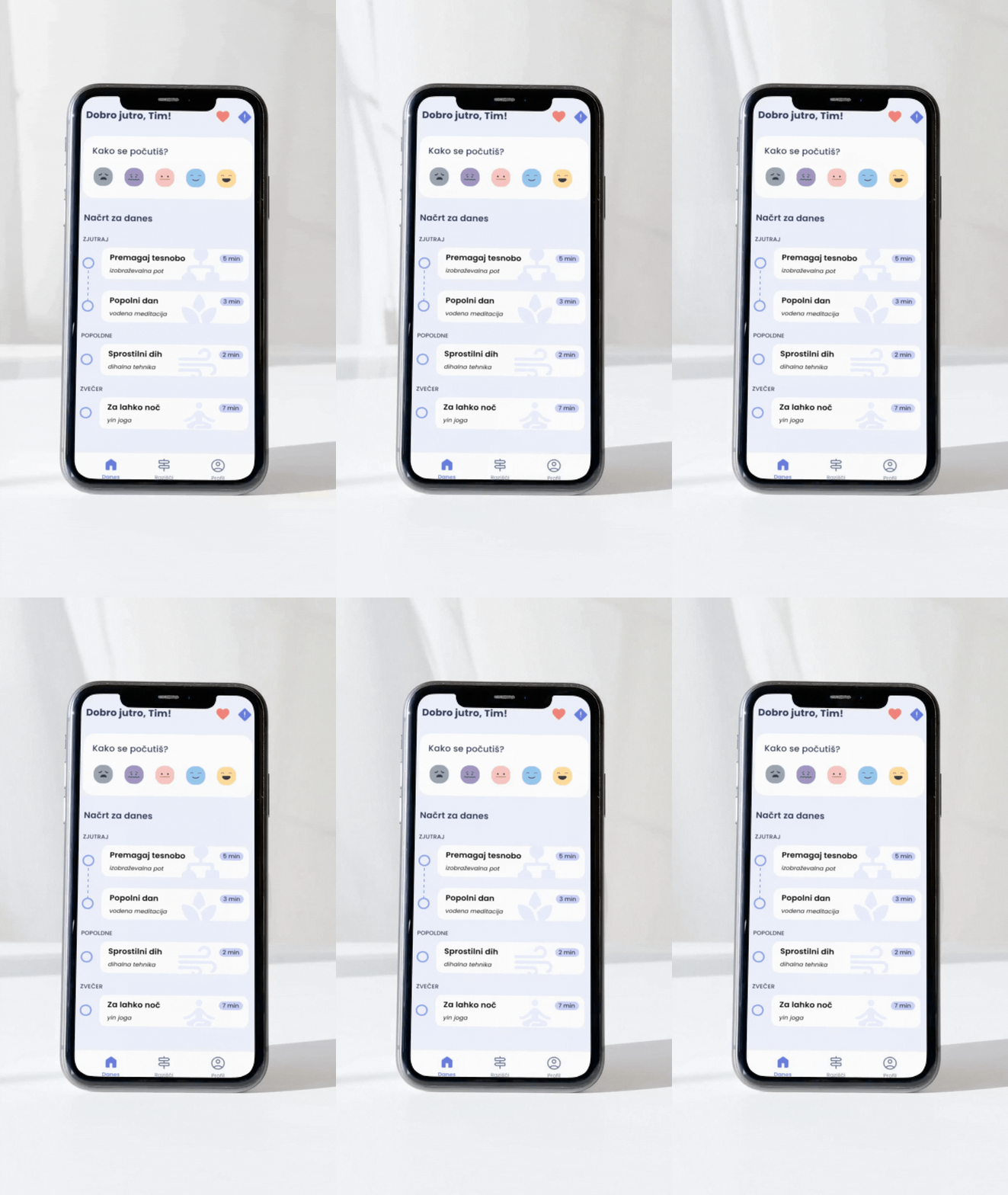
  • Designing a User Interface to Help Manage Anxiety and Depression
image
I led the entire UX/UI design process over four months, using Figma and other research tools.
‣
Problem Statement

Despite a growing global awareness of mental health issues, Slovenian adolescents experiencing anxiety and depression lack access to mobile applications in their native language that offer effective support. This gap results in prolonged suffering, increased stigma, and a greater burden on mental health professionals. There is a need for a Slovenian-language mobile application designed to provide professional support and help young individuals cope with anxiety and depression.

The Design Process

image

✦ phase 01 - Research ✦ ✦ ✦ ✦ ✦ ✦ ✦ ✦ ✦ ✦ ✦ ✦ ✦ ✦ ✦ ✦ ✦ ✦ ✦ ✦ ✦ ✦ ✦ ✦ ✦ ✦ ✦ ✦ ✦ ✦ ✦ ✦ ✦

‣

Theoretical Research

The theoretical research aimed to understand the current state of mental health issues among adolescents globally and in Slovenia and to review existing digital interventions for mental health.

“Without mental health, there is no health, without health, there is no quality of life, and without quality of life, there is no true effectiveness in society.” - Marušič in Tematik, 2009
‣

User Surveys

We conducted two online surveys targeting the broader Slovenian population, including adolescents and adults, as well as mental health professionals.

442 individuals
  • 276 adolescents (62.4%), 166 adults (37.6%)
12 mental health professionals
‣

Competitive Analysis

We reviewed apps for keywords like: anxiety, depression and selected 10 popular apps for detailed analysis based on different approaches, popularity and survey mentions.

image

We compared functionalities across the selected apps and created a table to highlight these differences.

image
Additionally, we analyzed the information architectures and tested the mental health solutions offered by the selected ten apps, compiling short descriptions and UI structure presentations.
‣

Interviews

We prepared a semi-structured interview format, outlining key themes and questions.

We interviewed:

5 mental health professionals, 2 older adolescents and 3 teenagers

The interviews were conducted both in person and remotely via phone or Zoom. Each interview was estimated to last about 30 minutes. During the interviews, we also discussed the current issue of excessive screen time among young people. With the consent of the interviewees, all conversations were recorded for easier subsequent analysis.

Next, we sought the opinions of adolescents. We successfully arranged two interviews with older adolescents (ages 19 and 21). One interview was conducted in person, and the other via online call. Both participants were engaged in a therapeutic process and actively used mental health apps.

We faced challenges in recruiting younger adolescents to participate in individual interviews, as they were more reserved in discussing their issues. To address this, we organized a group discussion with three teenagers, led by me and accompanied by one of the experts. This group format, guided by prepared themes and questions, facilitated greater engagement and openness among the participants.

✦ ✦ phase 02 - Define ✦ ✦ ✦ ✦ ✦ ✦ ✦ ✦ ✦ ✦ ✦ ✦ ✦ ✦ ✦ ✦ ✦ ✦ ✦ ✦ ✦ ✦ ✦ ✦ ✦ ✦ ✦ ✦ ✦ ✦ ✦ ✦ ✦ ✦

‣

Persona and Scenario

The insights gathered from our research were used to create a persona representing the typical user in our target group. We chose to focus on older adolescents as our target group because they can benefit more independently from self-help apps, whether or not they are currently in therapy.

For younger adolescents, a different approach would be necessary, as their mental health management often requires closer supervision and integration with professional therapeutic processes. Therefore, we aimed to design an application that serves older adolescents, providing support for those both in and out of therapy.

image
For the persona, we developed a usage scenario outlining how the user becomes aware of their issues, seeks help, interacts with the self-help app, and uses its functionalities.
‣

User Journey Map

Based on the anticipated scenario, we began designing the UX. We considered two scenarios: the first scenario describes the user journey when a person encounters the app for the first time, and the second scenario describes the journey of a registered user.

image

✦ ✦ ✦ phase 03 - Design ✦ ✦ ✦ ✦ ✦ ✦ ✦ ✦ ✦ ✦ ✦ ✦ ✦ ✦ ✦ ✦ ✦ ✦ ✦ ✦ ✦ ✦ ✦ ✦ ✦ ✦ ✦ ✦ ✦ ✦ ✦ ✦ ✦

‣

Informational architecture

We continued the app design process by developing the information architecture. The goal was to create a hierarchical structure of data that would be easily accessible to users.

image
‣

Wireframes

We developed detailed sketches and layouts to visualize the app’s structure and user interface.

image
‣

Happy Flow

The happy flow outlined the ideal user journey, ensuring a seamless and intuitive experience for users as they interact with the app’s key features.

image

It represents the most straightforward and positive path a user takes to accomplish their goals without encountering any issues. By focusing on the happy flow, we aimed to optimize the user experience and reduce friction points, making the app more enjoyable and effective for its users.

‣

Style Guide

image
image
image

✦ ✦ ✦ ✦ phase 04 - Prototype & Test ✦ ✦ ✦ ✦ ✦ ✦ ✦ ✦ ✦ ✦ ✦ ✦ ✦ ✦ ✦ ✦ ✦ ✦ ✦ ✦ ✦ ✦ ✦ ✦ ✦ ✦ ✦

✦ ✦ ✦ ✦ Final Designs ✦ ✦ ✦ ✦ ✦ ✦ ✦ ✦ ✦ ✦ ✦ ✦ ✦ ✦ ✦ ✦ ✦ ✦ ✦ ✦ ✦ ✦ ✦ ✦ ✦ ✦ ✦ ✦ ✦ ✦ ✦ ✦ ✦

image

← PREVIOUS

→ NEXT PROJECT